You would like to invest in this artist?
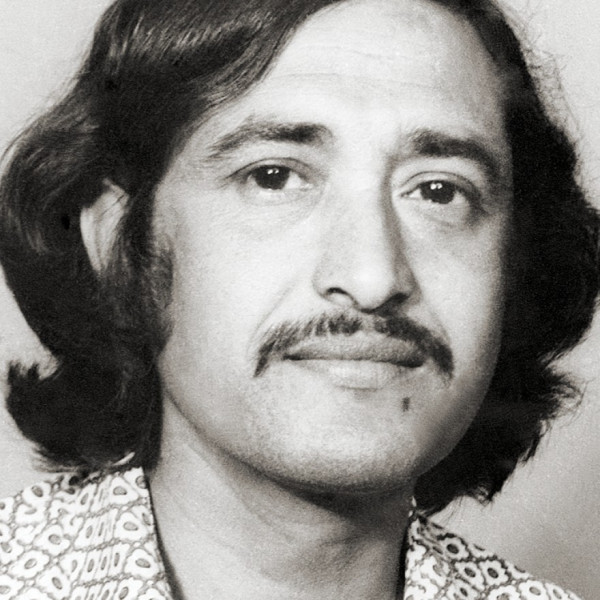
B. N. Arya
ABOUT
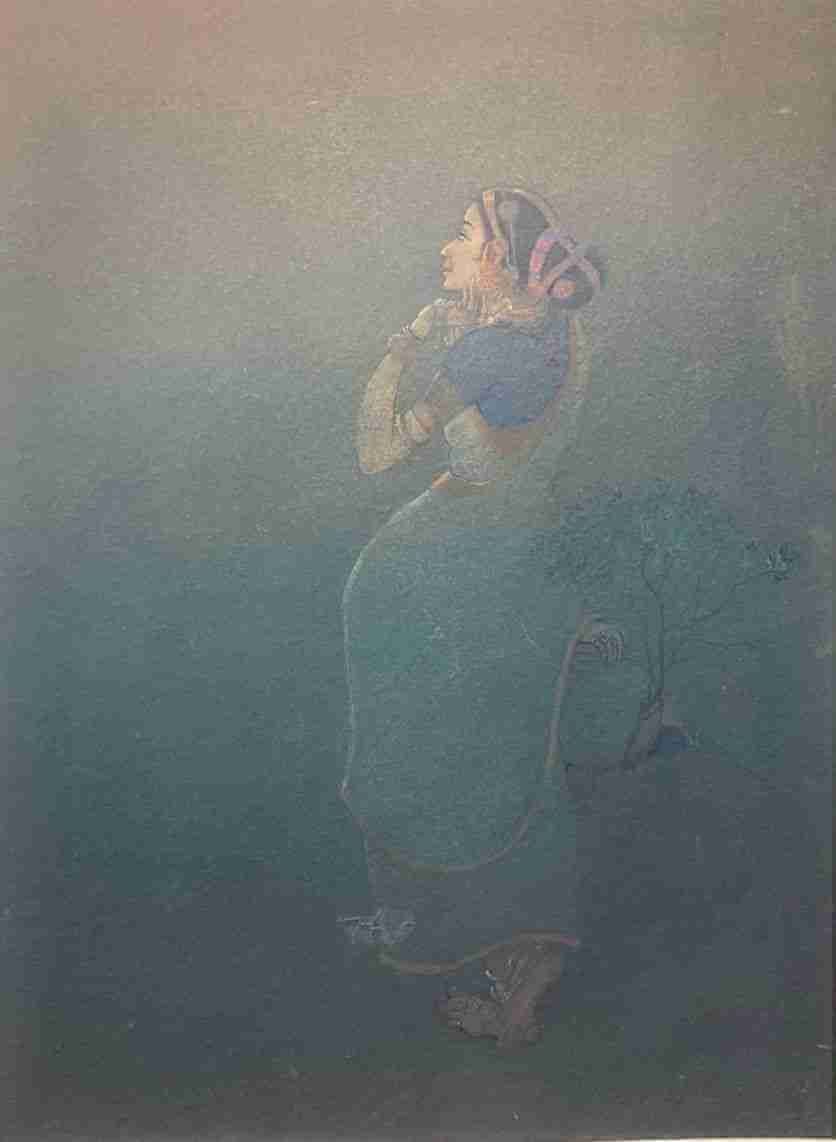
The last exponent of the watercolor wash technique and imagery of the Neo-Bengal School in North India
Painter | India
Born in 1936
Died in 2013
You would like to invest in this artist?
Badri Nath Arya was a legendary master of the Bengal School tradition, celebrated for elevating the wash technique to unprecedented levels of technical and aesthetic refinement. Born in Peshawar and later based in Lucknow, Arya became a central figure of the Lucknow School of Art, where he spent decades as a dedicated educator and practitioner. His work is defined by a meditative, translucent quality achieved through the painstaking process of repeatedly layering thin pigments and washing them away, resulting in a luminous depth that appears to glow from within the paper. While his early themes were deeply rooted in Indian mythology and Sanskrit literature—most notably his exquisite series on the "Meghdoot" by Kalidasa—Arya’s vision eventually expanded to include the gritty, lived realities of urban India. His "Caged" series and depictions of laborers showcased his ability to marry the delicate, romanticized aesthetic of the wash style with a poignant social consciousness. His compositions are marked by a rhythmic flow of line and a sophisticated use of negative space, often evoking a sense of stillness and spiritual introspection. A recipient of the Kala Ratna and several national awards, B.N. Arya remained a steadfast proponent of indigenous Indian art forms at a time when Western abstraction was gaining dominance. His legacy lies in his mastery over the watercolor medium, transforming simple paper into a vast, atmospheric landscape of emotion. Today, his canvases are regarded as some of the finest examples of the neo-Bengal style, bridging the gap between classical tradition and a modern, humanist sensibility.