You would like to invest in this artist?
B. C. Sanyal
ABOUT
An Art teacher to three generations of artists
Painter | Sculptor | India
Born in 1902
Died in 2003
You would like to invest in this artist?
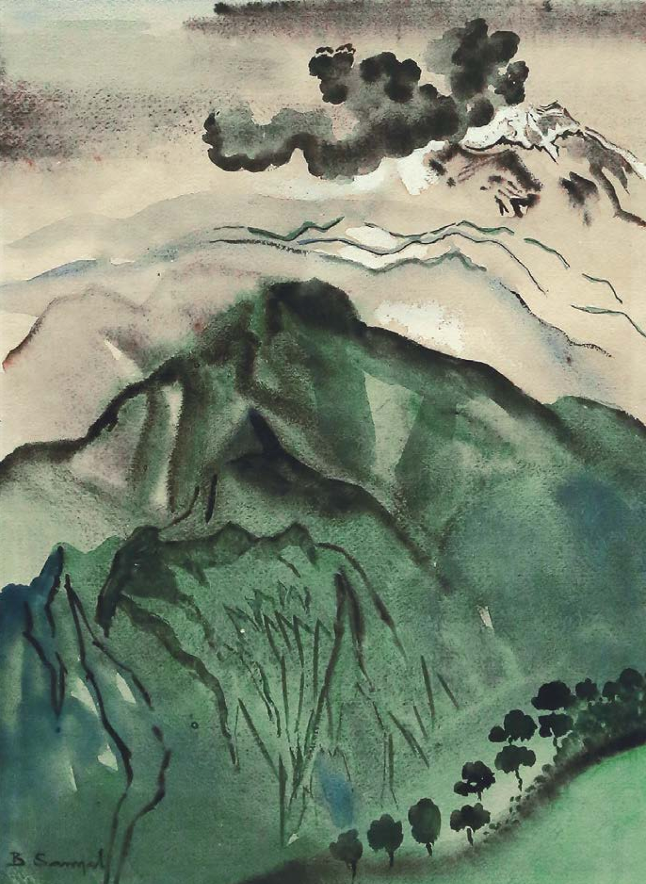
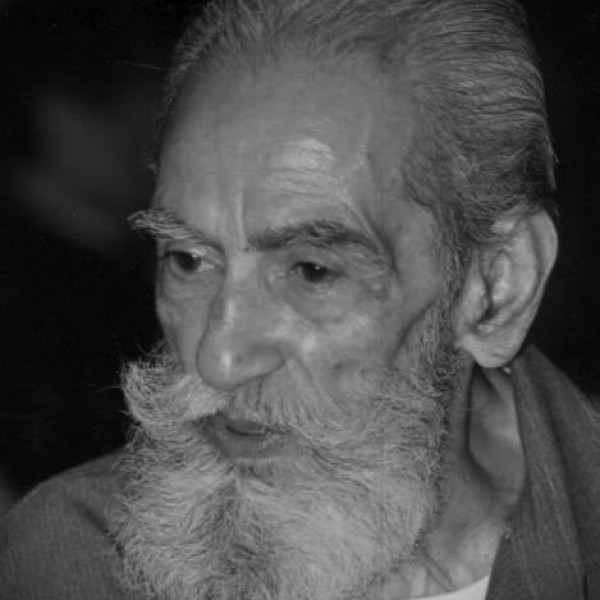
Bhabesh Chandra Sanyal, fondly known as the "doyen of Indian art," was a monumental figure whose life spanned a century of profound artistic and political transformation. Born in Dibrugarh, Assam, he was trained at the Government College of Art and Craft in Calcutta. Sanyal’s career was defined by his resilience and his commitment to establishing a secular, modern infrastructure for Indian artists. After being forced to leave Lahore during the Partition in 1947, he moved to Delhi, where he became a pivotal force in the capital’s art scene, eventually serving as the Secretary of the Lalit Kala Akademi. Sanyal’s practice was characterized by a deep humanism and a mastery over both painting and sculpture. His style merged the academic realism of his training with a simplified, rhythmic expressionism that captured the quiet dignity of the common man. Whether depicting a bird seller, a peasant, or the rolling landscapes of the Himalayas, his work possessed a gentle, lyrical quality and a sophisticated sense of composition. He famously founded the Delhi Silpi Chakra, a collective that sought to move away from the traditionalism of the Bengal School in favor of a more contemporary, lived experience. Throughout his long life, Sanyal remained a teacher and a mentor to generations of artists, embodying the bridge between pre-independence struggle and the post-colonial search for identity. His legacy is not only found in his canvases and bronze busts but in the very institutions he helped build, making him a true patriarch of the modern Indian art movement.