You would like to invest in this artist?
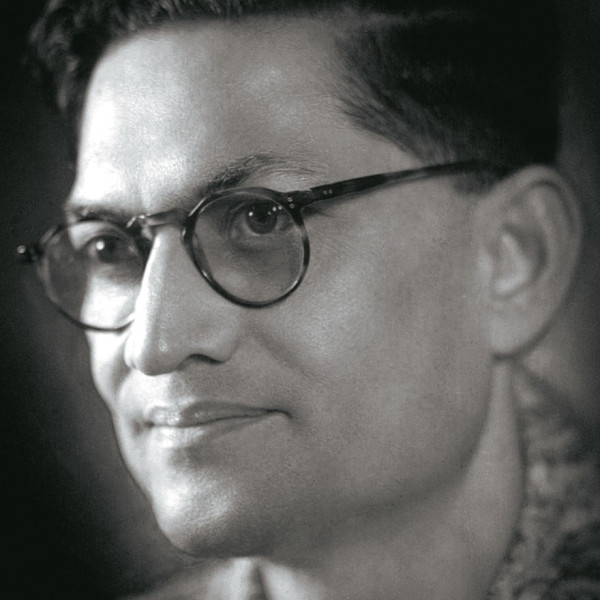
Asit Kumar Haldar
ABOUT
• First Indian to be selected as a Fellow of the ROYAL SOCIETY OF ARTS, LONDON in 1934
Painter | India
Born in 1890
Died in 1964
You would like to invest in this artist?
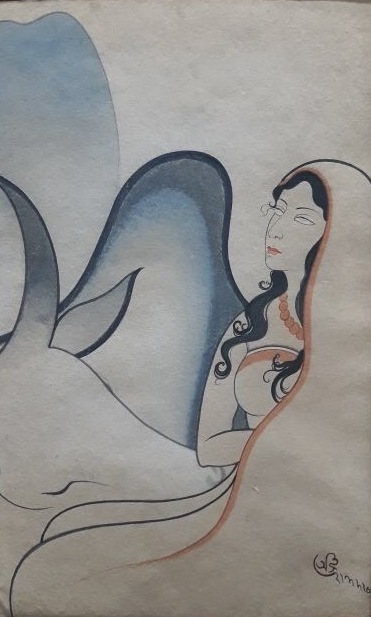
Asit Kumar Haldar was a preeminent figure of the Bengal School and one of the most significant disciples of Abanindranath Tagore. A versatile artist, sculptor, and educator, Haldar played a vital role in the nationalist art movement, seeking to revive indigenous Indian aesthetics. He was the first Indian to be appointed as the Principal of a Government School of Art, serving at Lucknow, where he established a distinct artistic lineage. His work is celebrated for its lyrical grace and poetic sensitivity. Haldar was a master of the wash technique, creating ethereal, translucent compositions that often drew inspiration from Indian mythology, Buddhist themes, and the verses of Omar Khayyam. Beyond paper, he was a pioneer in lacquered painting on wood, a medium he termed "Lacquit." His deep engagement with India's heritage led him to copy the ancient frescoes of the Ajanta, Bagh, and Jogimara caves, an experience that profoundly influenced his rhythmic line work. Haldar’s artistic philosophy was rooted in a spiritual humanism. His paintings, such as those in the "Meghdoot" or "Rubaiyat-i-Omar Khayyam" series, are characterized by delicate contours and a soft, atmospheric palette. As a writer and educator, he championed the idea that art should be an expression of the inner soul rather than a mere imitation of nature. His legacy endures through his vast contribution to the Lucknow School of Art and his success in bridging the gap between ancient classical traditions and the modern Indian identity.